
Getting New Patients Without the Hustle: Physical Therapy Lead Magnets That Actually Work
Let's be real – growing your physical therapy practice shouldn't feel like you're constantly chasing after potential patients. If you're tired of relying solely on referrals and word-of-mouth (which, don't get me wrong, are great), it's time to let your expertise do the heavy lifting for you. Physical therapy lead magnets are your secret weapon for attracting people who are already dealing with pain or mobility issues and actively looking for solutions.
Think about it: someone's sitting at their desk right now with nagging lower back pain, or maybe they're a weekend warrior who tweaked their knee and wants to get back to running. These people are literally Googling for help at 2 AM! By creating valuable, free resources that solve their immediate problems, you're not just building your email list – you're positioning yourself as the go-to expert they'll think of when they're ready to book that first appointment. Below, I'm sharing five proven physical therapy lead magnets that'll have potential patients raising their hands and saying "yes, I need this" while building genuine trust in your expertise.
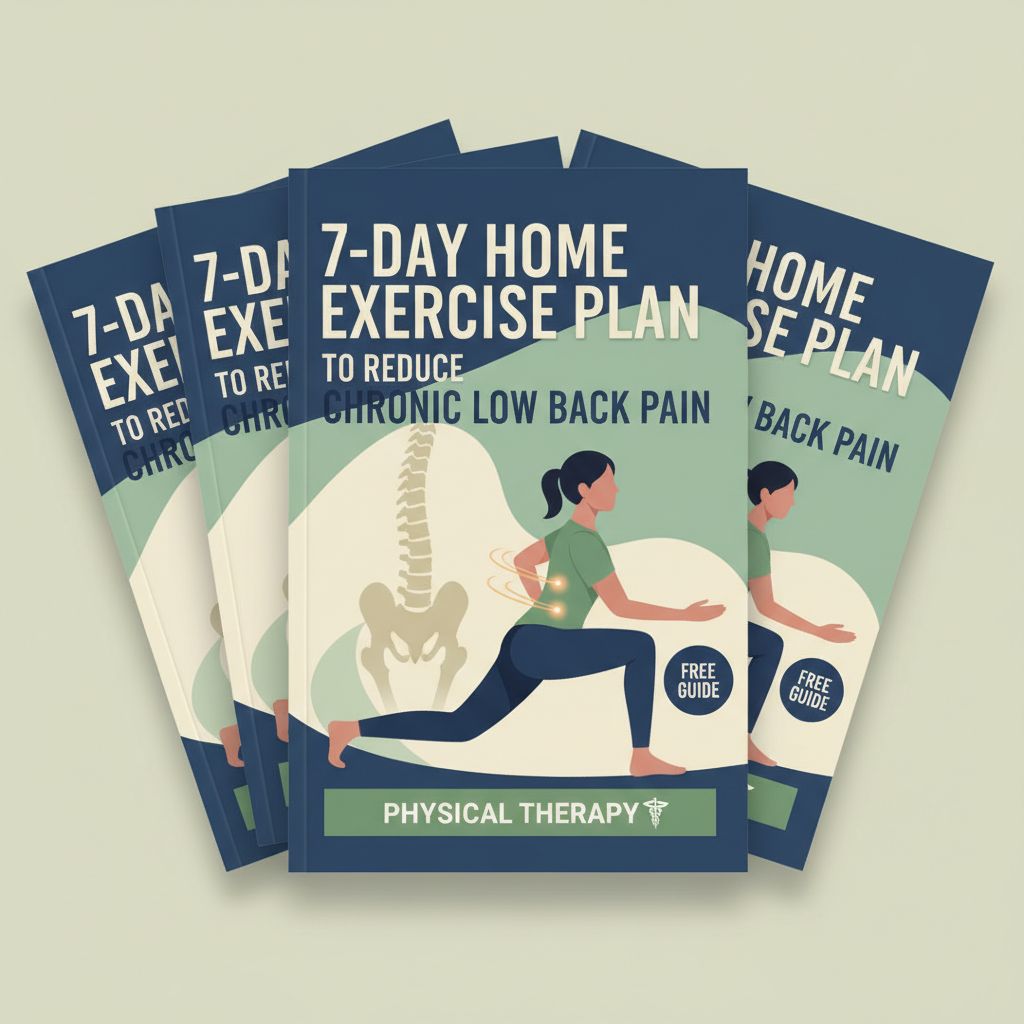
1. 7-day home exercise plan to reduce chronic low back pain.
Why use this lead magnet?
Physical therapists, you already know that chronic low back pain is affecting millions of people who desperately need your help – but here’s the thing: most of them don’t even realize physical therapy is the solution they’ve been searching for. A “7-day home exercise plan to reduce chronic low back pain” lead magnet is pure gold because it meets potential patients exactly where they are in their pain journey. Think about it – someone dealing with nagging back pain isn’t immediately googling “physical therapy near me.” They’re looking for quick relief, home remedies, and anything that promises to help them feel better without leaving their house. This lead magnet positions you as the helpful expert who understands their immediate needs while subtly introducing them to your expertise.
The beauty of this approach is that it naturally creates a pathway to your services. After seven days of following your exercises, prospects will either experience some relief (making them trust your methods and want more advanced help) or realize they need professional intervention (hello, perfect timing for your consultation offer). Plus, chronic low back pain sufferers are often ideal long-term patients who benefit from ongoing care, education, and maintenance programs. By capturing these leads with something genuinely valuable, you’re not just building an email list – you’re creating relationships with people who are already pre-qualified as individuals who take action on their health and are actively seeking solutions you provide.
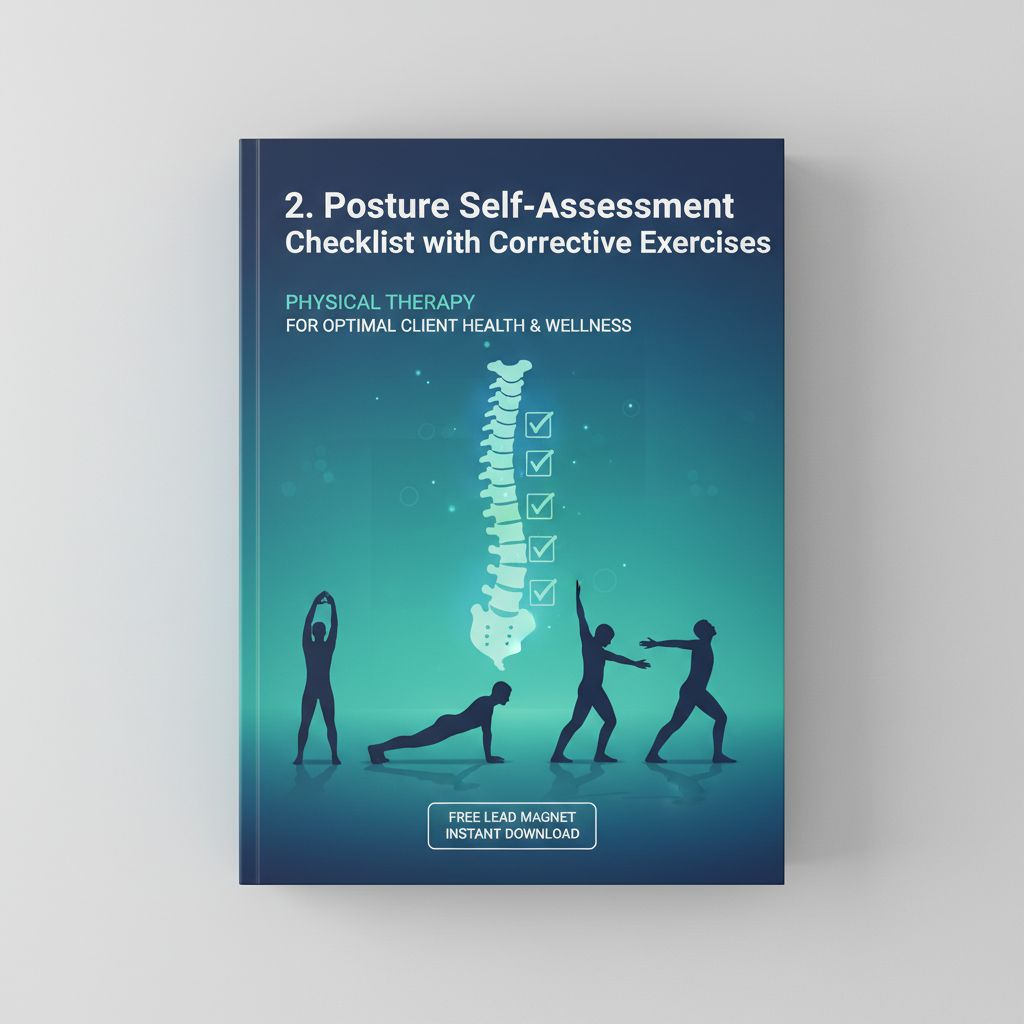
2. Posture self-assessment checklist with corrective exercises.
Why use this lead magnet?
Poor posture is everywhere these days – from desk workers hunched over laptops to teenagers glued to their phones with “text neck.” As a physical therapy professional, you’re probably seeing more posture-related issues walk through your door than ever before. A posture self-assessment checklist with corrective exercises is pure marketing gold because it addresses a problem that literally everyone can relate to. People love tools that help them identify their own issues, especially when it comes with actionable solutions they can try right away. This type of lead magnet positions you as the go-to expert who not only spots problems but actually helps solve them.
The beauty of this particular lead magnet is that it works double duty for your business. First, it captures leads from people who might not be ready to book an appointment yet but are curious about their posture issues. Once they download your checklist and start doing the exercises, they’re getting a taste of your expertise and building trust with your brand. Many will realize their issues are more complex than they thought and naturally progress to scheduling a consultation. Plus, since posture affects everything from back pain to headaches, this lead magnet casts a wide net – attracting potential clients with various pain points who might not have initially thought they needed physical therapy.
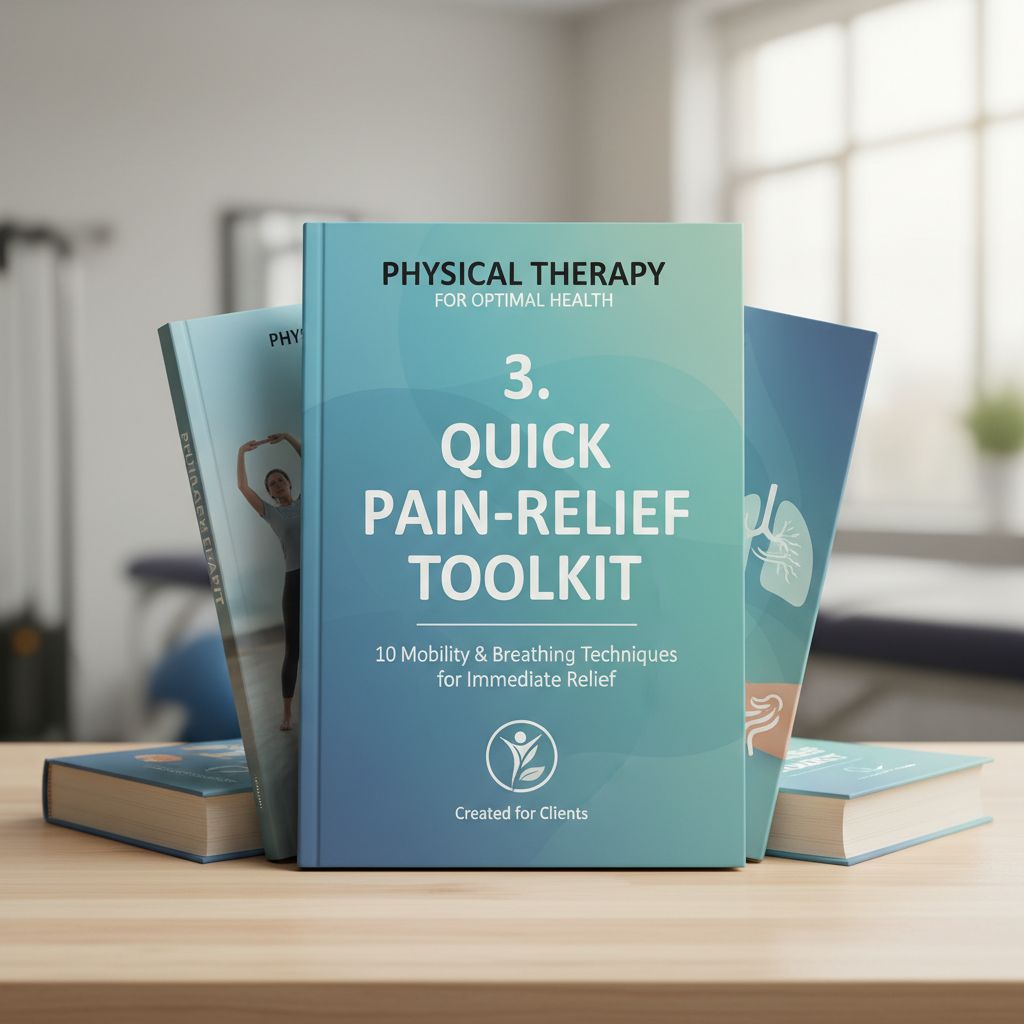
3. Quick pain-relief toolkit: 10 mobility and breathing techniques for immediate relief.
Why use this lead magnet?
Why Your PT Practice Needs This Pain-Relief Toolkit to Attract More Clients
Picture this: someone’s scrolling through social media at 2 AM because their lower back is keeping them awake again, and they stumble across your “Quick Pain-Relief Toolkit.” Instead of booking an expensive massage or popping another ibuprofen, they download your free guide and actually get some relief using your mobility techniques. Now you’ve got their attention AND their email address, plus you’ve already demonstrated real value before they’ve even stepped foot in your clinic. This type of lead magnet works because it solves an immediate problem that your ideal clients are actively searching for online – and let’s face it, everyone’s dealing with some kind of pain or stiffness these days.
The beauty of this toolkit is that it positions you as the go-to expert while building trust from day one. When someone uses your breathing technique to ease their neck tension or follows your mobility routine to loosen up tight hips, they’re experiencing firsthand what you can do for them. It’s like giving them a mini-session before they become a patient, which makes the leap from “free download” to “booked appointment” feel natural rather than pushy. Plus, you can repurpose this content across your social media, email campaigns, and even use techniques from it during initial consultations to show consistency in your approach. It’s working for you 24/7, attracting people who are already motivated to take action on their health.
4. 6-week return-to-running plan after a minor lower-extremity injury.

Why use this lead magnet?
Why This Running Plan Could Be Your Secret Weapon for Attracting New Patients
Think about it – runners are everywhere, and they’re incredibly motivated to get back to doing what they love. A “6-week return-to-running plan after a minor lower-extremity injury” hits the sweet spot of being specific enough to feel valuable while addressing a super common problem. Whether someone tweaked their ankle on a trail run or is dealing with knee pain from ramping up too quickly, this lead magnet speaks directly to their immediate need. Plus, runners tend to be proactive about their health and are often willing to invest in proper recovery, making them ideal patients for your practice.
The beauty of this particular lead magnet is that it positions you as the go-to expert for active individuals while building trust before they even walk through your door. By offering a structured, week-by-week plan, you’re showing potential patients that you understand the runner’s mindset – they want clear timelines and actionable steps, not vague advice to “rest up.” When someone downloads your plan and starts seeing results, guess who they’re going to think of when they need hands-on treatment? It’s like planting seeds for future appointments while demonstrating your expertise in sports rehabilitation, which can also attract athletes from other disciplines who see you as someone who truly “gets” their goals.
5. Ergonomic workstation setup guide to prevent neck and shoulder pain.

Why use this lead magnet?
As a physical therapist, you probably see dozens of patients every week complaining about neck and shoulder pain from their desk jobs. While you’re great at treating these issues in your clinic, imagine if you could reach potential patients before they develop chronic pain problems. An ergonomic workstation setup guide positions you as the go-to expert who cares about prevention, not just treatment. When someone downloads your guide and successfully adjusts their monitor height or keyboard position, you’ve already provided value and built trust – way before they ever step foot in your clinic.
This type of lead magnet is pure gold for growing your practice because it targets your ideal patients exactly where they are: at work, probably feeling that familiar ache in their neck right now. Unlike generic health tips, this guide speaks directly to the daily reality of office workers who make up a huge portion of most PT practices. Plus, it gives you the perfect opportunity to nurture these leads with follow-up content about posture, stretches, and when to seek professional help. You’re not just collecting email addresses – you’re building relationships with people who will think of you first when that minor discomfort turns into something that needs professional attention.


